Exchange Rate Grocery Inflation: Why Food and Fuel Prices Move First
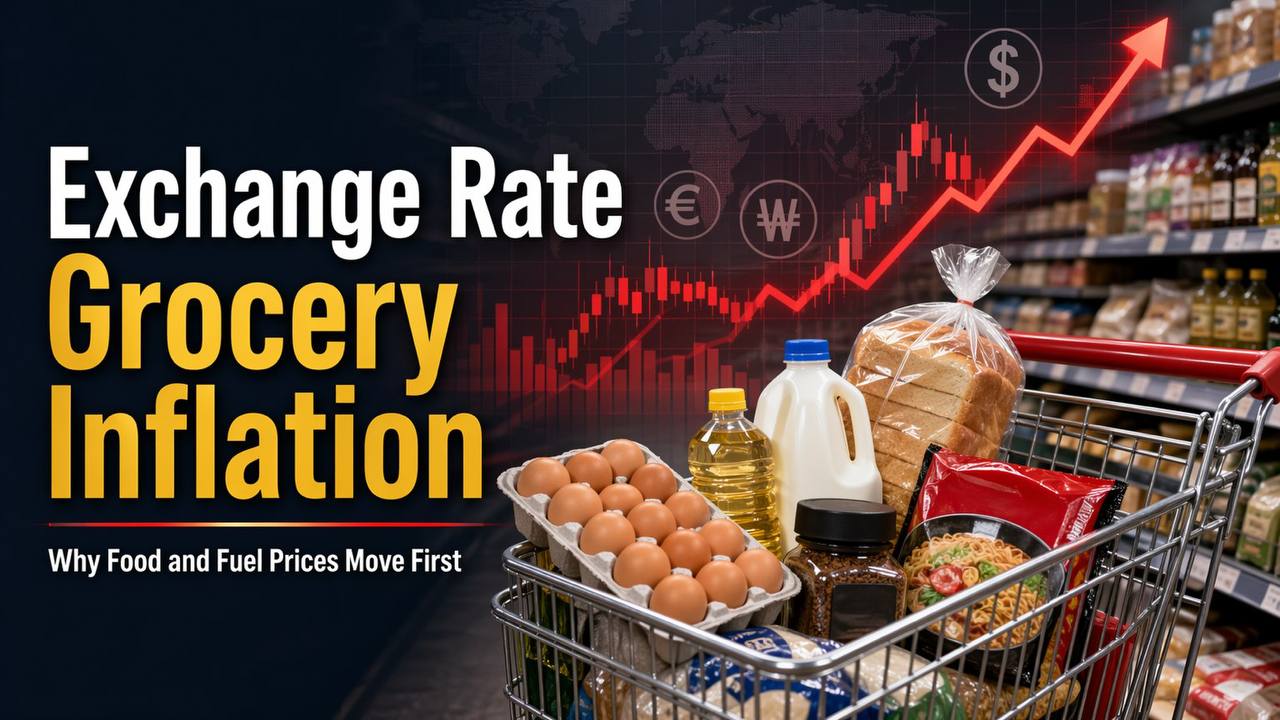
핵심 요약
Exchange Rate Grocery Inflation can raise food, fuel, logistics, and household costs in South Korea. Here is how a weaker won reaches consumers.
검증 정보
- 데이터 기준일 2026. 04. 24 작성 기준
- 최종 업데이트 2026. 04. 24
- 참고 기준 본문의 공식 자료, 공개 통계, 서비스 안내 기준
- 면책 고지 정보 제공 목적이며 금융·의료·법률 판단은 개인 상황에 따라 달라질 수 있습니다.
Exchange rate grocery inflation is no longer just a financial-market issue. When the Korean won weakens against the dollar, import costs rise, and that pressure can move through food, fuel, household goods, and dining-out prices. For Korean households, exchange rate grocery inflation often becomes visible first at the supermarket shelf.
South Korea depends heavily on imported energy, grains, raw materials, and intermediate goods. That means a weaker won can raise costs for importers, manufacturers, distributors, and eventually consumers. The effect is not always immediate, but it can build over several weeks or months.
Quick summary
- A weaker won raises the local-currency cost of imported goods.
- Food, fuel, logistics, household goods, and restaurants can all be affected.
- Consumers may feel exchange rate grocery inflation faster than official statistics suggest.
Exchange Rate Grocery Inflation: How It Reaches Consumers
The exchange rate changes the local-currency price of goods bought overseas. Even if a product costs the same in dollars, Korean companies must pay more in won when the exchange rate rises. That higher cost can move from importers to food makers, fuel companies, retailers, and consumers.
The chain is simple but powerful: a weaker won raises import costs, higher costs squeeze companies, and companies may eventually adjust retail prices. This is why an exchange-rate move can become a household-budget issue.
Food Staples Are Often the First Pressure Point
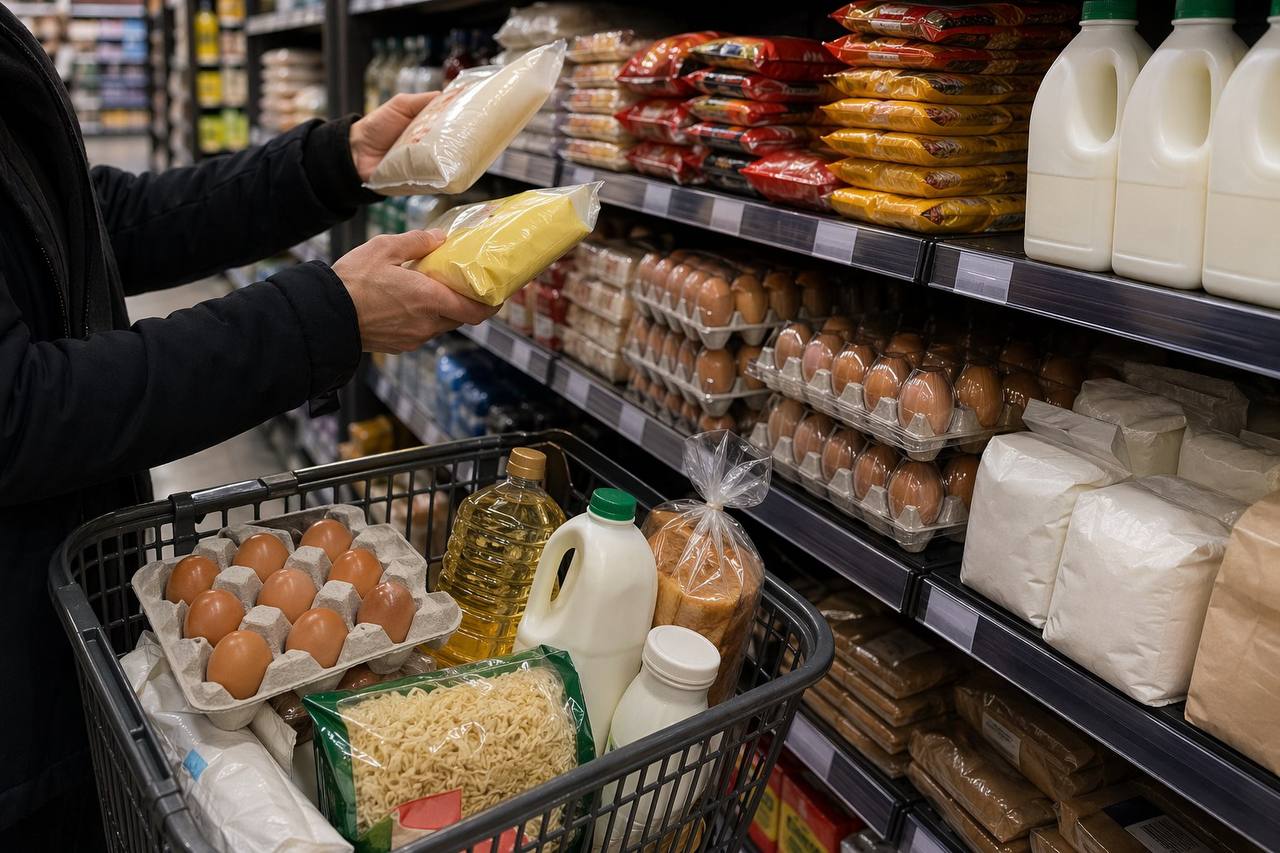
Grocery staples are among the first categories consumers notice. Wheat, corn, soybeans, cooking oil, coffee, sugar, dairy ingredients, and feed are all tied to global markets. Even when international commodity prices are stable, a weaker won can make them more expensive for Korean buyers.
This pressure can show up in bread, instant noodles, snacks, cooking oil, coffee, eggs, meat, and processed foods. The increases may appear gradually because retailers use existing inventory or delay price changes, but the cost pressure usually does not disappear if the exchange-rate shock lasts.
Fuel and Logistics Can Spread Exchange Rate Grocery Inflation
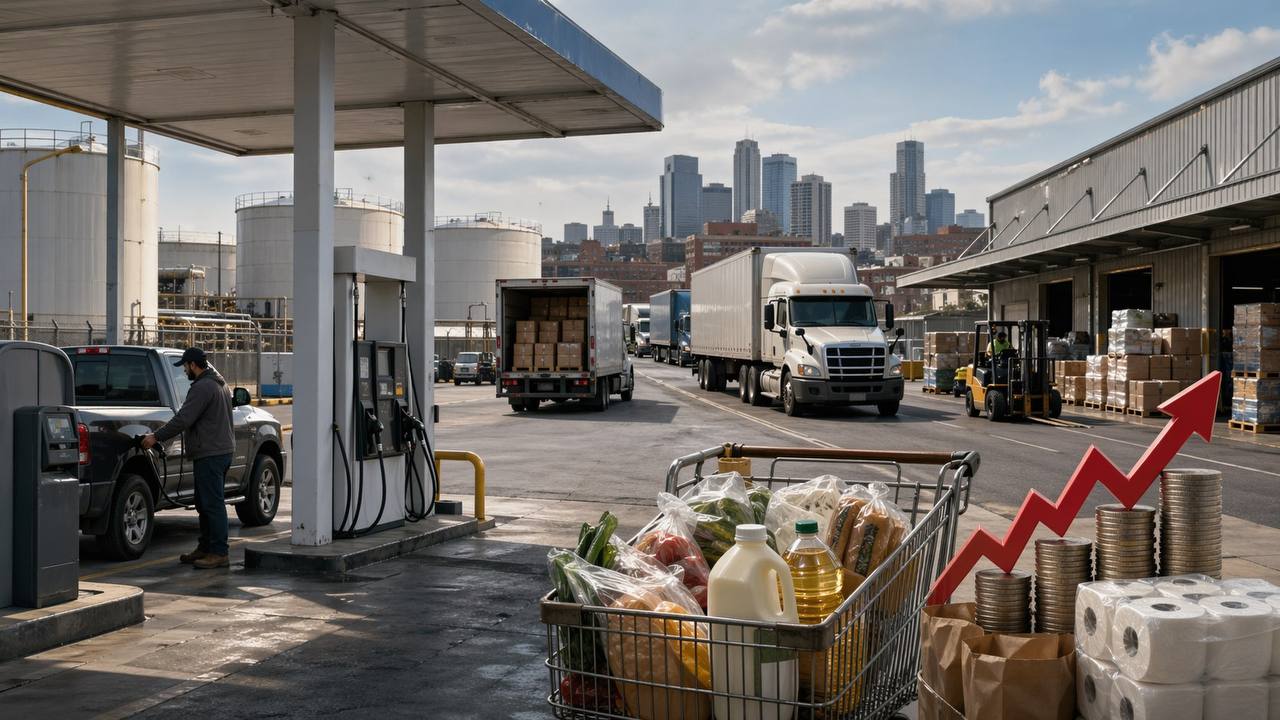
Oil is traded in dollars, so a weaker won can raise Korea’s local-currency fuel burden even when global oil prices are not surging. Higher fuel costs can then affect trucking, delivery, warehousing, and distribution.
That matters because grocery prices include more than raw ingredients. They also include transportation, storage, packaging, and retail operating costs. When fuel and logistics costs rise together, exchange rate grocery inflation can spread across many everyday items.
Household Goods and Imported Products Also Feel the Pressure
Household goods, hygiene products, cosmetics, baby products, pet supplies, and electronics can also be affected by exchange-rate moves. Some are imported as finished goods, while others use imported components or raw materials.
Companies may not always raise the sticker price immediately. Instead, they may reduce discounts, shrink promotions, change package sizes, or limit benefits. For consumers, that still means weaker purchasing power.
Why Koreans Feel This Issue So Directly
For overseas readers, the Korean reaction to exchange rate grocery inflation is shaped by household-cost pressure that is already high. Many families are dealing with housing costs, loan repayments, and stagnant real income. When supermarket prices also rise, the exchange-rate issue quickly becomes a broader living-cost concern.
This is why Korean media and consumers often treat the won-dollar rate as a practical household indicator, not just a market number.
Exchange Rate Grocery Inflation Can Feel Faster Than Official Inflation
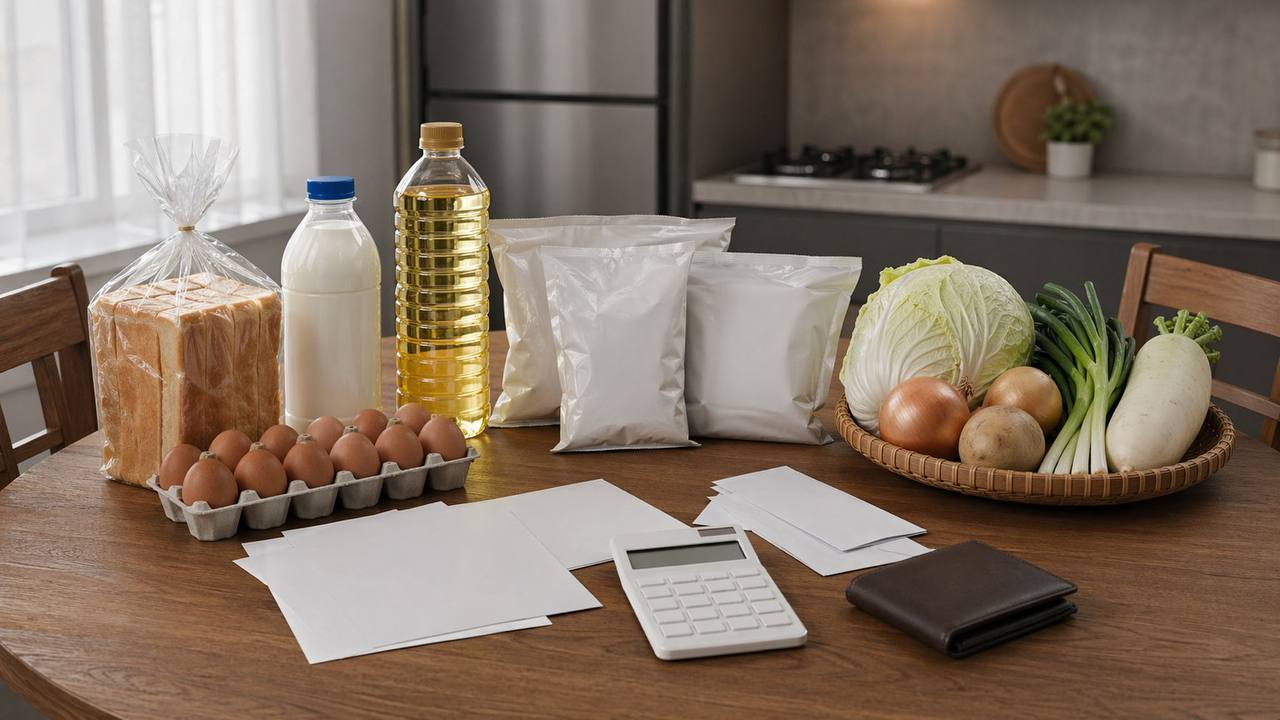
Official consumer-price indexes show broad averages. Consumers, however, react most strongly to prices they see every week: bread, milk, eggs, coffee, noodles, cooking oil, and fuel. When these items rise, inflation feels more severe than the headline number suggests.
The same pressure can also affect restaurants and cafes with a delay. If flour, cooking oil, meat, cheese, and coffee beans become more expensive, dining-out prices may gradually move higher as businesses adjust.
Exchange Rate Grocery Inflation: What Consumers Should Watch
Consumers should watch recurring expenses first: groceries, fuel, dining out, subscription deliveries, imported goods, and online overseas purchases. It is also useful to track average prices of frequently purchased items, not just temporary discount prices.
Policymakers should also treat the exchange rate as part of the living-cost picture. If currency volatility lasts, it can weaken household purchasing power and consumer sentiment. Readers who want to compare this household-level view with official data can also check the Bank of Korea and OECD Korea economic updates.
Why Exchange Rate Grocery Inflation Matters for Household Budgets
Exchange Rate Grocery Inflation is especially important because grocery spending is repeated every week. A single price increase may look small, but repeated purchases of bread, eggs, milk, noodles, cooking oil, coffee, and fuel can change the monthly household budget.
For lower- and middle-income households, this pressure is harder to absorb. These households spend a larger share of income on food, transport, rent, and loan payments. When import prices and logistics costs rise at the same time, the effect can reduce discretionary spending and weaken local consumption.
This is also why supermarkets become a practical economic indicator. Consumers may not follow currency charts every day, but they quickly notice smaller discounts, higher unit prices, and fewer promotional offers. Exchange Rate Grocery Inflation therefore connects currency volatility with everyday consumer confidence.
Conclusion: Exchange Rate Grocery Inflation Is a Living-Cost Issue
Exchange rate grocery inflation begins in the foreign-exchange market, but it ends in everyday household decisions. A weaker won can raise import costs, logistics expenses, food prices, and household spending pressure.
For Korean consumers, the supermarket cart may be the first place where currency volatility becomes real.
FAQ
What causes exchange rate grocery inflation?
It happens when a weaker currency raises the local cost of imported food, fuel, raw materials, and consumer goods.
Does every price rise immediately?
No. Existing inventory, delayed price changes, and competition can slow the impact, but longer exchange-rate pressure can eventually reach consumers.
Why does South Korea feel exchange-rate pressure strongly?
South Korea depends heavily on imported energy, grains, and raw materials, so a weaker won can quickly affect household costs.