US-Iran Talks in South Korea: Oil, Flights, Inflation
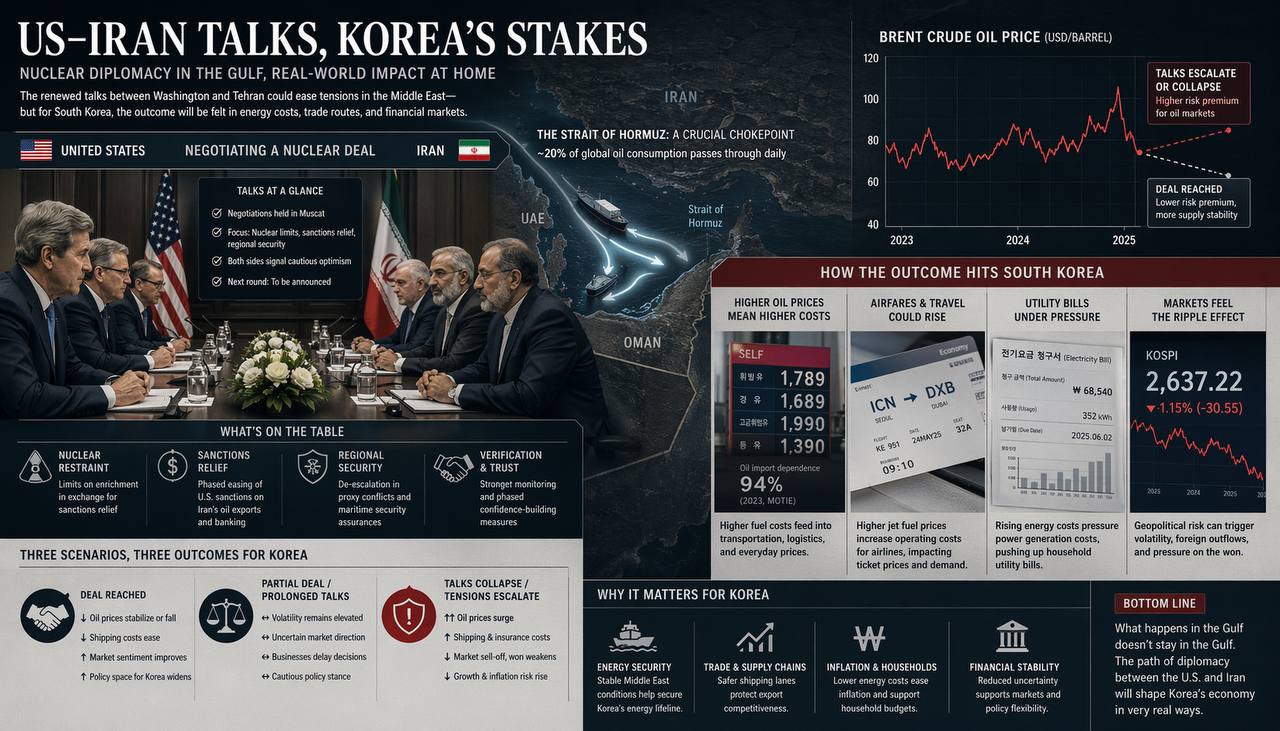
핵심 요약
US-Iran Talks affect oil prices, gasoline costs, airfares, and inflation in South Korea. This guide explains why US-Iran Talks matter to South Korean households.
검증 정보
- 데이터 기준일 2026. 04. 20 작성 기준
- 최종 업데이트 2026. 04. 21
- 참고 기준 본문의 공식 자료, 공개 통계, 서비스 안내 기준
- 면책 고지 정보 제공 목적이며 금융·의료·법률 판단은 개인 상황에 따라 달라질 수 있습니다.
US-Iran Talks matter in South Korea because they can move oil prices, fuel costs, airline surcharges, inflation pressure, and market sentiment. This guide focuses on the everyday impact.
US-Iran Talks and South Korea: Key Points
- US-Iran Talks can move oil prices, fuel costs, and airline surcharges in South Korea.
- US-Iran Talks can change inflation pressure, shipping risk, and market sentiment in South Korea.
- US-Iran Talks matter because South Korea is highly exposed to imported energy and exchange-rate swings.
US-Iran Talks: Quick Take
- If tensions ease, oil prices could cool and reduce pressure on gasoline, flights, and utility bills.
- If the talks break down, energy costs and market volatility could climb again.
- In South Korea, this matters because imported energy, shipping risk, and exchange-rate swings feed quickly into household budgets.
Why US-Iran Talks Matter in South Korea
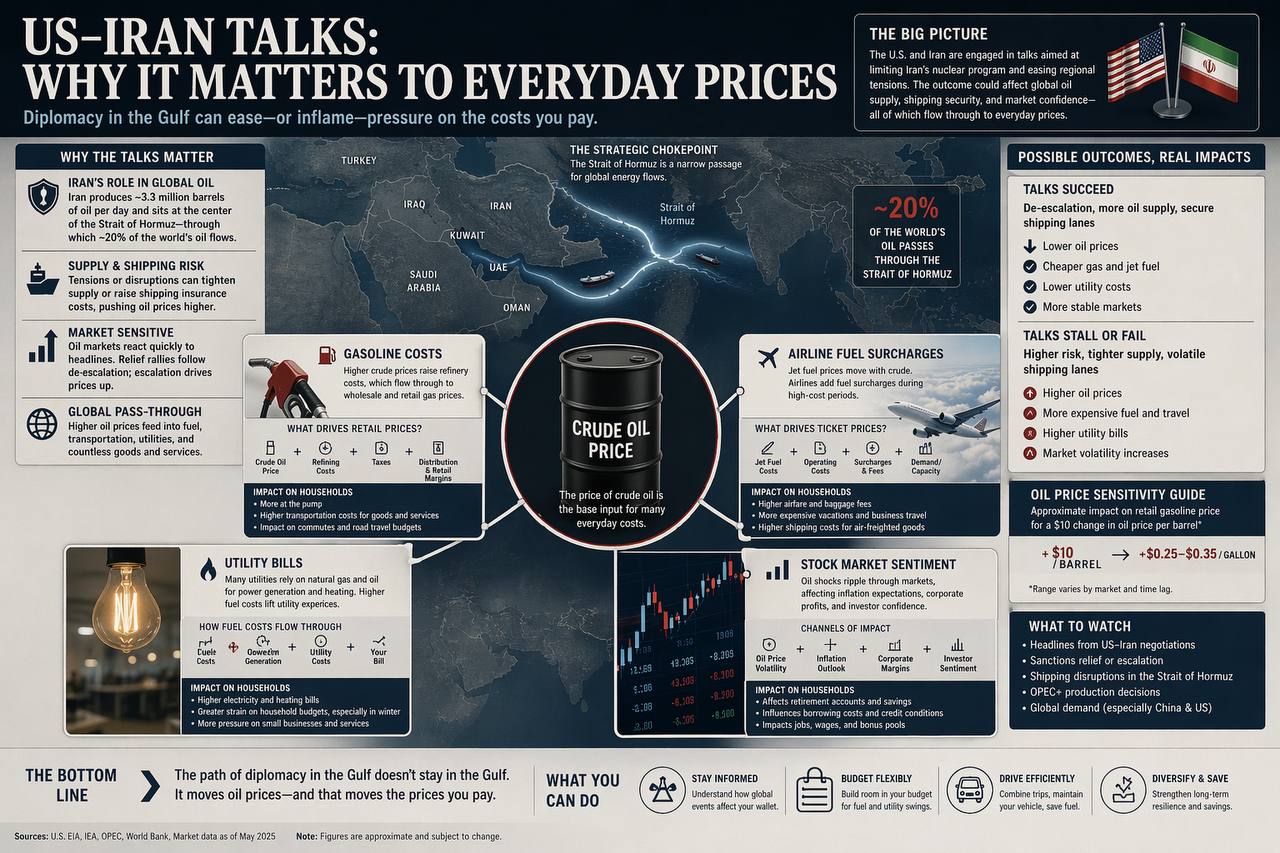
A new round of US-Iran Talks is drawing attention in South Korea for one simple reason: it could affect everyday prices. This is not just a foreign-policy headline. It is also a practical cost-of-living story.
If tensions ease, oil prices could fall. That would eventually lower pressure on gasoline prices and airline fuel surcharges. If the talks fail, the opposite could happen. Oil could rise again, travel costs could stay high, and markets could turn more cautious.
For background on how the oil shock first spread through South Korea, see our earlier report on how a Hormuz disruption reaches everyday prices.
What is at the center of the talks
The core issue remains Iran’s nuclear program and what sanctions relief might look like if diplomacy advances. Markets care because any shift in sanctions, supply expectations, or shipping security around the Strait of Hormuz can move energy prices almost immediately.
That, in turn, affects more than crude benchmarks. It influences refining costs, transport costs, airline pricing, inflation expectations, and investor confidence.
US-Iran Talks: Three Possible Outcomes
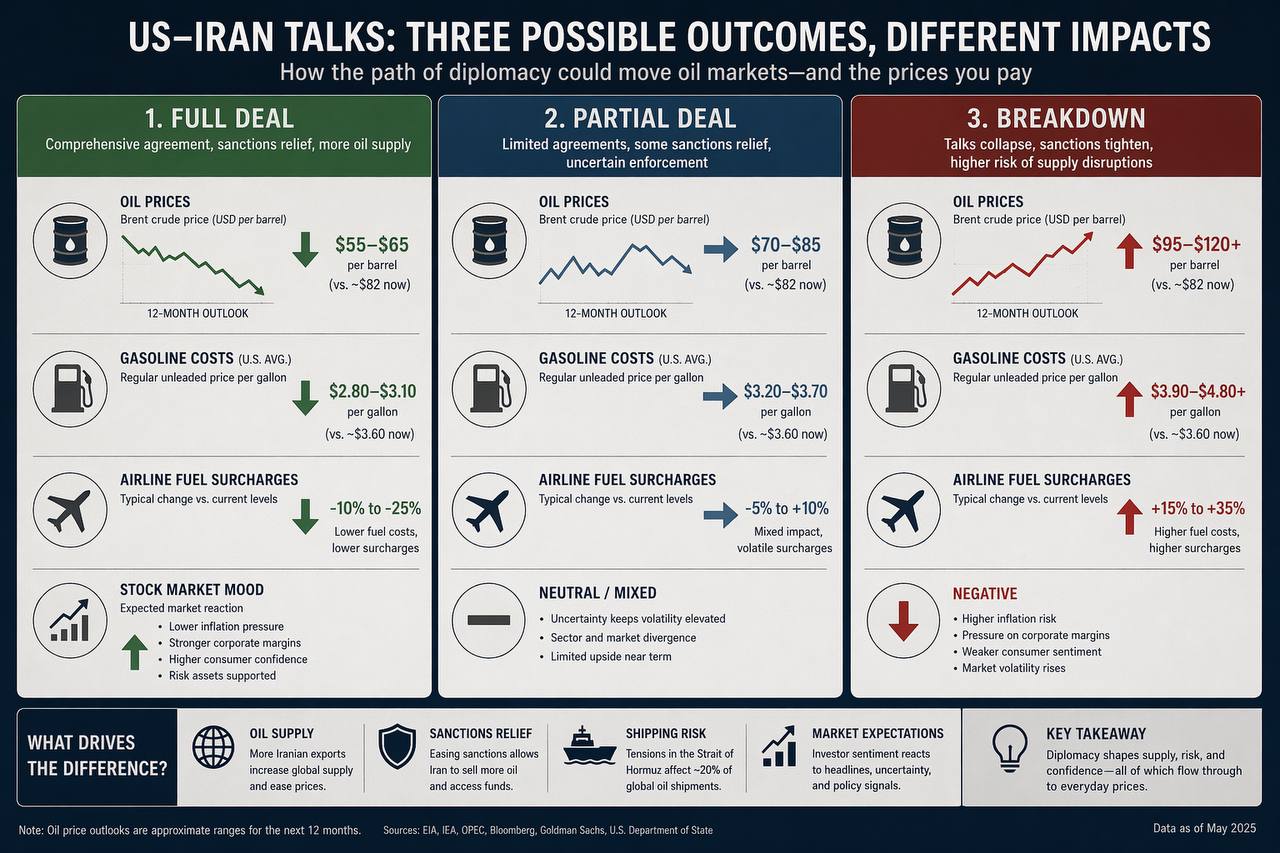
1. Full deal
Oil prices could move lower, shipping risk could ease, and South Korean households may start to feel relief after a lag. Travel and transport names could benefit if lower fuel costs improve margins.
2. Partial deal
Markets may calm down without fully relaxing. Oil could stay elevated but steadier, leaving only limited relief for gasoline and airfare costs.
3. Breakdown or renewed escalation
Oil could spike again. That would put fresh pressure on fuel, utilities, airfares, inflation expectations, and the won, while markets could turn more defensive.
Why US-Iran Talks Matter to South Korean Households
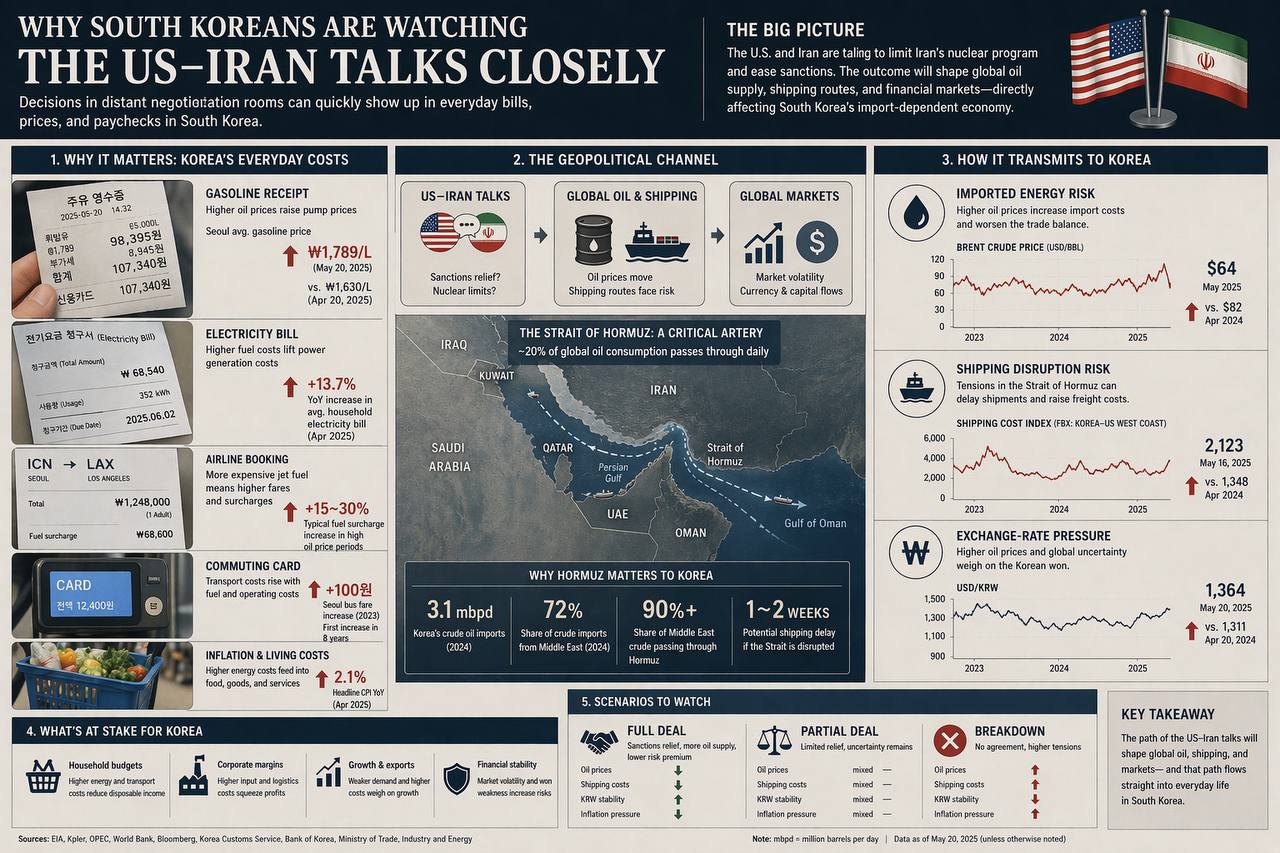
For many readers outside Korea, this may look like a distant geopolitical story. In South Korea, it is often read as a household-economy story. Korea depends heavily on imported energy and is sensitive to shipping disruption and dollar-won moves, so global oil shocks can quickly raise concerns about gasoline, flights, utility bills, and broader inflation.
That is why the US-Iran talks matter not only to traders and policymakers, but also to commuters, travelers, and families thinking about monthly expenses.
The Timing Gap South Korean Consumers Should Remember
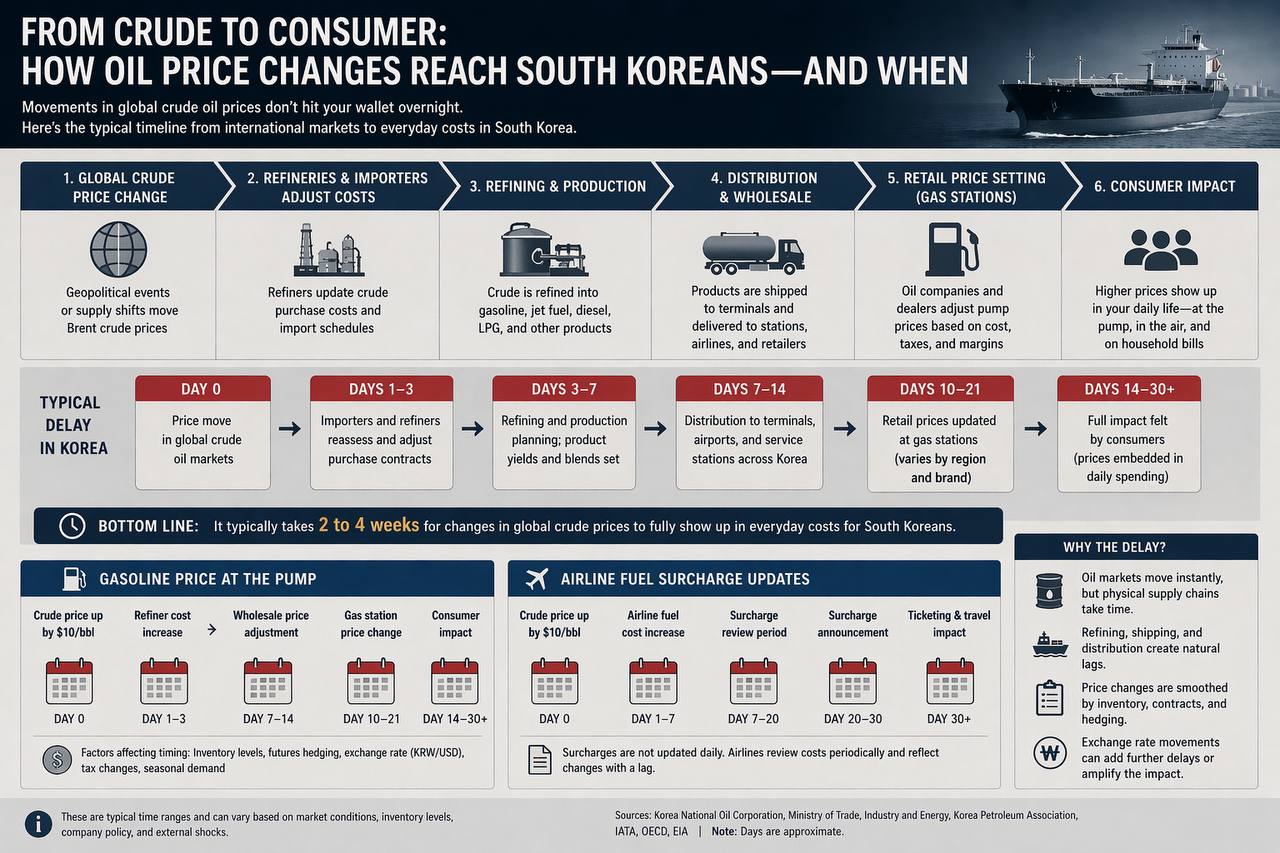
Even if oil prices move immediately, consumers rarely feel the change overnight. In South Korea, it usually takes time for crude-price moves to flow through refining, distribution, retail fuel pricing, and airline surcharge updates.
That delay matters. It explains why a market headline and a household bill do not move on the same day.
For a related look at airline costs, read our earlier piece on how fuel surcharges pushed up ticket prices.
What to watch next
- Whether both sides signal meaningful progress on sanctions and verification
- Any new disruption risk around the Strait of Hormuz
- Moves in Brent crude and shipping-risk premiums
- The dollar-won exchange rate, which can amplify local price pressure
FAQ
Why does a US-Iran deal matter for South Korea?
Because South Korea is highly exposed to imported energy, shipping routes, and exchange-rate swings. Changes in oil risk can show up in fuel costs, flights, utilities, and inflation.
Would gasoline prices in Korea fall immediately if oil drops?
No. There is usually a lag of several days to several weeks before lower crude prices feed through refining and retail prices.
Why mention airline surcharges?
Because airlines revise fuel-related charges with a delay, and those adjustments can make a visible difference in what travelers actually pay.
Bottom line
The US-Iran talks are not just about diplomacy in the Gulf. For South Korea, they are also about how global risk turns into local prices. That is why this story matters to markets — and to ordinary households.