5th-generation indemnity insurance: lower premiums, but what coverage changes?
핵심 요약
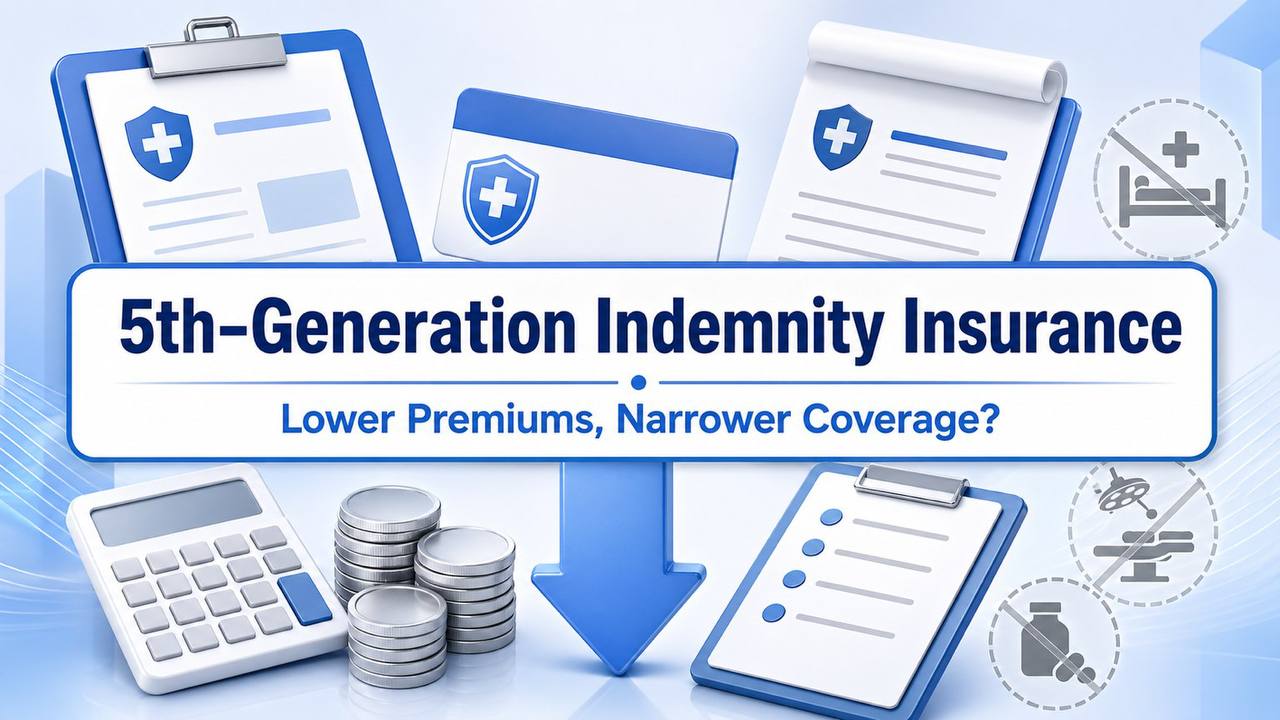
5th-generation indemnity insurance in Korea may lower monthly premiums, but manual therapy and other non-covered medical benefits could face stricter limits.
검증 정보
- 데이터 기준일 2026. 04. 27 작성 기준
- 최종 업데이트 2026. 04. 27
- 참고 기준 본문의 공식 자료, 공개 통계, 서비스 안내 기준
- 면책 고지 정보 제공 목적이며 금융·의료·법률 판단은 개인 상황에 따라 달라질 수 있습니다.
5th-generation indemnity insurance lowers premiums, but changes the protection

5th-generation indemnity insurance is expected to arrive as a cheaper alternative to older Korean indemnity medical insurance plans. The headline is simple: monthly premiums may fall, but some non-covered medical benefits may become more limited.
That trade-off matters because Korea’s indemnity insurance system has long covered a wide range of out-of-pocket medical costs. For households facing higher fixed expenses, lower premiums sound attractive. But the real question is whether the new plan still covers the treatments a person actually uses.
The new structure is especially important for people who frequently use non-covered care, including manual therapy, shock-wave therapy, certain injections, MRI scans, or ultrasound services. A cheaper policy may not be a better policy if it shifts more of those costs back to the patient.
SEO summary: 5th-generation indemnity insurance in Korea may reduce monthly premiums, but consumers should compare manual therapy limits, non-covered medical care rules, co-payment rates, and serious illness protection before switching from an older indemnity insurance plan.
Why Korea is introducing 5th-generation indemnity insurance
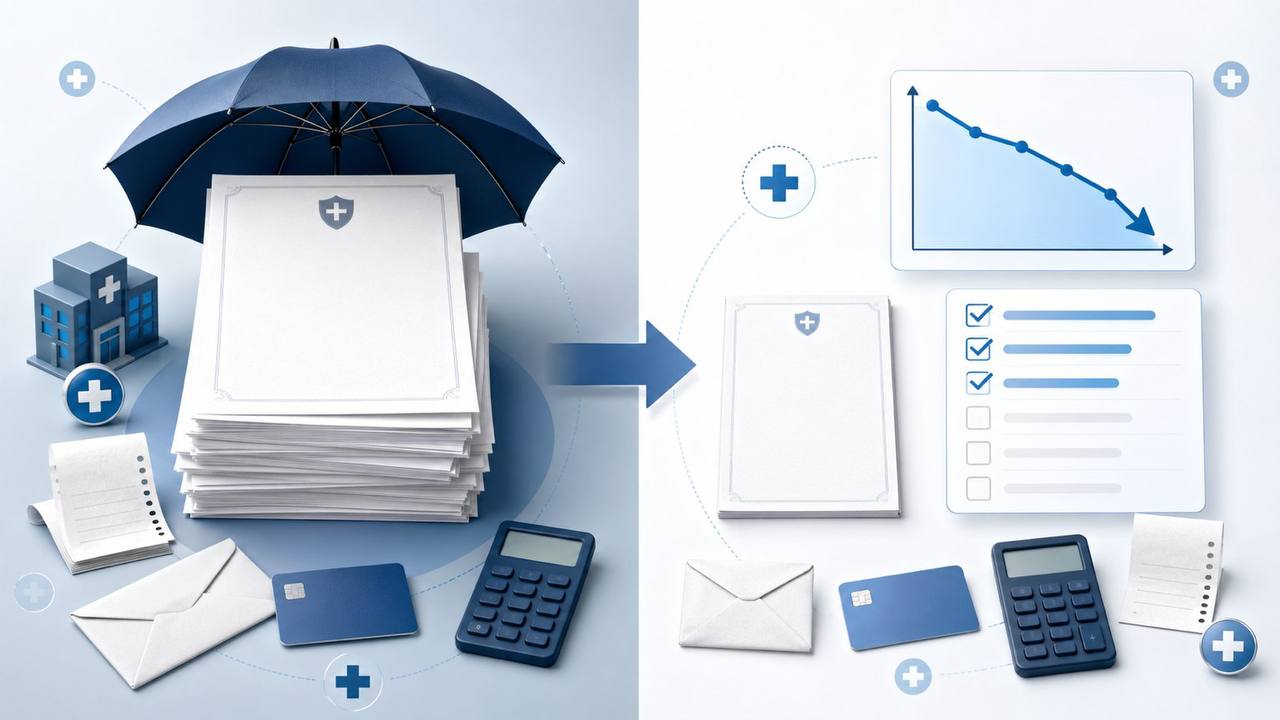
Korea’s indemnity insurance market has faced two related problems: rising premiums for older policyholders and high loss ratios for insurers. Older first- and second-generation plans often offer broader coverage, but that broad coverage has also contributed to repeated premium increases.
The new 5th-generation indemnity insurance model is designed to reduce that pressure. It aims to keep meaningful protection for serious medical needs while tightening benefits for non-severe, non-covered treatments that have been linked to overuse disputes.
For Korean consumers, this is not just an insurance-industry issue. It is part of a wider household-cost problem. Families are already watching rent, food, fuel, and loan payments. A lower monthly insurance premium can help, but only if it does not create bigger medical bills later.
How much cheaper could 5th-generation indemnity insurance be?
Industry reports suggest that 5th-generation indemnity insurance could be significantly cheaper than some older plans. In some examples, premiums may fall to around 40% of certain second-generation indemnity insurance premiums, implying a reduction of as much as 60%.
That is why the product is likely to attract older policyholders or households paying high monthly premiums. If someone rarely visits hospitals and has limited use of non-covered services, the lower premium alone may be a meaningful benefit.
However, the premium cut is not free. The lower price comes from a narrower or more selective benefit structure. Consumers need to compare not only the monthly premium but also the coverage limits, co-payment ratio, and excluded or restricted treatment categories.
5th-generation indemnity insurance and manual therapy limits
The most sensitive area is manual therapy. Many Korean indemnity insurance users have relied on older plans to cover treatments for back pain, neck pain, shoulder pain, and other musculoskeletal issues. In the 5th-generation indemnity insurance structure, benefits for this type of non-severe non-covered care may be reduced.
Possible changes include stricter annual limits, higher out-of-pocket costs, or narrower eligibility conditions. The policy goal is to reduce excessive claims and slow the rise in premiums across the system.
For actual patients, however, the experience can be different. Someone who receives regular manual therapy may pay a lower premium every month but face a larger bill after treatment. This is why the new product should be judged by total annual cost, not just the monthly premium.
Who benefits from 5th-generation indemnity insurance?

5th-generation indemnity insurance may be suitable for people who rarely use hospitals, rarely receive non-covered treatment, and mainly want protection against serious medical costs. For these consumers, reducing the monthly premium can be a rational choice.
It may be less attractive for people who already use non-covered services often. If manual therapy, injections, imaging tests, or other non-covered treatments are a regular part of medical spending, the reduced benefit structure could outweigh the premium savings.
- Low medical-use consumers: may benefit from lower premiums.
- Frequent manual therapy users: should be cautious before switching.
- Older policyholders with steep premium increases: should compare total annual costs.
- Consumers focused on serious illness protection: should confirm what remains covered.
Should existing policyholders switch?
Not automatically. The newest insurance product is not always the best product for every consumer. Older Korean indemnity insurance plans may be expensive, but they can also provide broader protection.
Before switching, consumers should review three things: their current monthly premium, their medical claims over the past one or two years, and their expected use of manual therapy or other non-covered care. If the current plan has been heavily used, giving it up may not be wise.
Another key issue is reversibility. Once a policyholder switches away from an older plan, returning to the same old coverage may be difficult or impossible. That makes the decision more important than a normal annual insurance comparison.
5th-generation indemnity insurance checklist before switching

Consumers should ask specific questions before signing up or switching. A sales conversation that only highlights the lower premium is not enough. For a basic product comparison, consumers can also check Korea’s official insurance comparison portal, e-Insmarket, before speaking with an insurer.
- How many manual therapy sessions are covered each year?
- What is the co-payment rate for non-covered treatment?
- Are MRI, ultrasound, injections, and rehabilitation services restricted?
- Does serious illness protection remain strong enough?
- Can the consumer return to the old plan after switching?
- How could the new premium change in future years?
Why Korean households are watching this closely
In Korea, indemnity insurance functions almost like a second layer of health protection on top of the national health insurance system. That is why changes to 5th-generation indemnity insurance are not seen as a niche insurance product update.
Many consumers view the issue through a household-budget lens. Lower premiums help with monthly cash flow, but weaker non-covered benefits can increase uncertainty when someone actually needs treatment. This is the core tension behind the reform.
For overseas readers, the debate also shows how Korea is trying to balance affordable private medical insurance with concerns over non-covered treatment costs and overuse. The reform is both a consumer-finance issue and a healthcare-policy issue.
Conclusion: 5th-generation indemnity insurance is cheaper, but not automatically safer

5th-generation indemnity insurance is best understood as a more selective insurance product, not simply a cheaper one. It can reduce monthly premiums, but it may also reduce protection for some commonly used non-covered treatments.
Consumers who rarely use hospitals may find the new plan attractive. Consumers who rely on manual therapy or other non-covered care should compare the real annual cost before switching.
The most important question is not “How much cheaper is it?” The better question is “Will it still pay when I need it?”
Summary
- 5th-generation indemnity insurance may lower monthly premiums.
- The lower premium comes with a more selective benefit structure.
- Manual therapy and other non-covered care are the biggest concern.
- Low medical-use consumers may benefit most.
- Existing policyholders should compare annual costs before switching.
FAQ
Is 5th-generation indemnity insurance always better?
No. It may be cheaper, but it may also cover less. The best choice depends on medical-use patterns.
Will manual therapy still be covered?
Coverage details may differ by product, but manual therapy is expected to face stricter limits than in older plans.
Who should consider switching?
Consumers who rarely use hospitals and mainly want lower monthly premiums may consider it.
Who should be careful?
People who frequently use non-covered treatment, including manual therapy, should review the coverage carefully.
Can policyholders return to an old plan after switching?
In many cases, returning to older coverage can be difficult. Consumers should confirm this before switching.