BOK Rate Hike: What It Could Mean for Loans, Jeonse and Home Prices

핵심 요약
A possible BOK Rate Hike could affect mortgage rates, credit loans, jeonse loans and Korea’s housing market. Here is what borrowers, tenants and homebuyers should watch.
검증 정보
- 데이터 기준일 2026. 05. 05 작성 기준
- 최종 업데이트 2026. 05. 05
- 참고 기준 본문의 공식 자료, 공개 통계, 서비스 안내 기준
- 면책 고지 정보 제공 목적이며 금융·의료·법률 판단은 개인 상황에 따라 달라질 수 있습니다.
A possible BOK Rate Hike is once again becoming an important issue for Korean households. Even before the Bank of Korea actually changes its base rate, expectations about higher interest rates can influence mortgage rates, credit loans, jeonse loans and homebuyer sentiment.
For overseas readers, the issue matters because South Korea has a highly interest-rate-sensitive household debt structure. Many households hold mortgage loans, floating-rate debt or jeonse-related loans, meaning even a small change in rate expectations can quickly affect monthly budgets.
Direct Answer: Why a BOK Rate Hike Matters
A BOK Rate Hike would not automatically raise every loan rate overnight, but it could push banks to reprice mortgages, credit loans and jeonse loans. Borrowers with floating-rate loans would feel the pressure first, while tenants and homebuyers may face higher financing costs over time.
The key point is not only the actual rate decision. Market expectations, bank funding costs and regulatory signals can move before the official policy rate changes.
What Is a BOK Rate Hike?
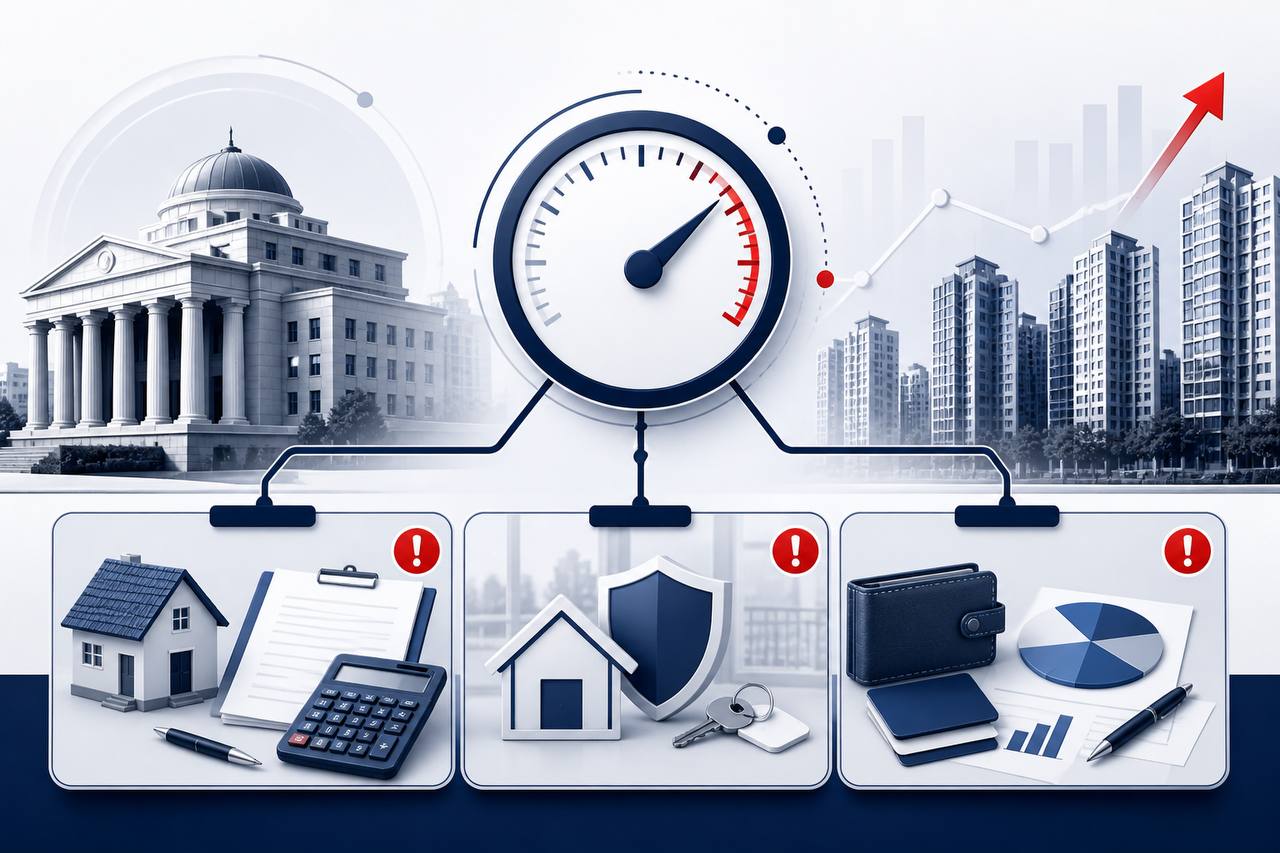
A BOK Rate Hike means the Bank of Korea raises its benchmark interest rate. This rate acts as a reference point for financial markets and influences the cost of money across the economy.
When the base rate rises or markets expect it to rise, banks usually face higher funding costs. Those costs can then appear in mortgage rates, jeonse loan rates, credit loan rates, corporate borrowing rates, savings rates and deposit rates.
For households, the most visible impact usually comes through monthly loan payments.
Why Rate Hike Expectations Are Back in Focus
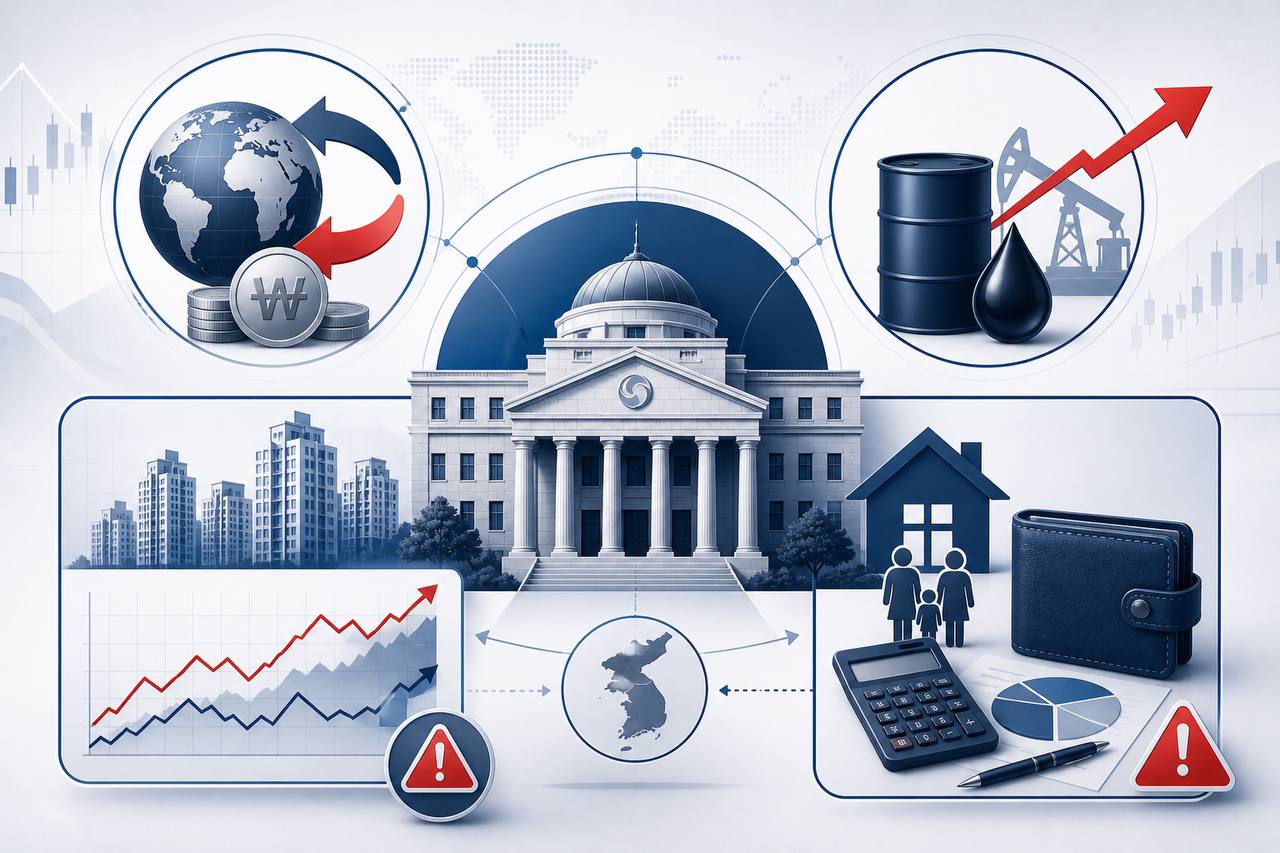
South Korea’s interest-rate debate is shaped by several factors: inflation pressure, exchange-rate volatility, household debt growth and financial stability concerns.
If inflation remains sticky or the Korean won weakens sharply, the Bank of Korea may have less room to cut rates. In some scenarios, markets may even begin discussing whether a rate hike is possible again.
However, this does not mean a rate hike is certain. The Bank of Korea must balance inflation control with domestic demand, real-estate risk and household debt burden.
How a BOK Rate Hike Could Affect Mortgage Borrowers
Mortgage borrowers are usually among the first groups to watch rate signals. If banks expect higher funding costs, mortgage rates may rise even before the base rate changes. This is especially important for borrowers with floating-rate or mixed-rate loans.
Borrowers should check
- Whether their loan is fixed, floating or mixed
- The next rate reset date
- The spread added by the bank
- Early repayment fees
- Whether refinancing is possible
- Debt service ratio restrictions
For households already close to their monthly repayment limit, even a small increase can reduce disposable income.
Jeonse Loans May Become More Expensive
Jeonse is a uniquely Korean housing system in which tenants provide a large deposit instead of paying full monthly rent. Many tenants rely on jeonse loans to finance that deposit.
A BOK Rate Hike could make jeonse loans more expensive. Tenants may face higher monthly interest payments on their jeonse loans, while some households may choose smaller deposits with higher monthly rent instead.
For foreign readers, this is why Korean rate policy can affect not only homeowners but also renters.
Could a BOK Rate Hike Cool Home Prices?
Higher interest rates usually reduce purchasing power. When loan rates rise, the same monthly payment supports a smaller home loan. This can weaken demand from homebuyers, especially in areas where prices have already risen quickly.
However, the housing-price impact is not always simple. Home prices may also depend on housing supply, local redevelopment expectations, government lending rules, household income, investor sentiment and regional demand differences.
In Seoul and other high-demand areas, price reactions may be slower than in regions with weaker demand.
Impact on Homebuyers Waiting on the Sidelines
For homebuyers, a possible BOK Rate Hike creates a difficult decision. Waiting may reduce price pressure, but financing costs could become higher.
A buyer should not look only at the sale price. The more important number is the total monthly burden after loan interest, taxes, insurance, maintenance fees and moving costs.
- Calculate repayment at current rate
- Recalculate repayment at +0.5 percentage point
- Recalculate repayment at +1.0 percentage point
- Check whether the loan limit changes under DSR rules
- Prepare extra liquidity for moving and closing costs
- Avoid assuming rates will quickly fall
Why Korean Households Are Sensitive to Rate Changes
Korean households are highly sensitive to rate changes because housing is closely tied to debt. Mortgages, jeonse loans and credit loans often overlap in one household budget.
A rate increase does not only affect investors. It can change everyday decisions such as whether to move, renew a lease, buy a home, refinance a loan or delay consumption.
This is why the Korean public tends to react strongly to Bank of Korea signals.
What Existing Borrowers Should Do Now
Borrowers do not need to panic, but they should prepare. The most dangerous situation is assuming today’s loan payment will remain unchanged.
- Check the loan reset date
- Compare fixed-rate and floating-rate options
- Review total monthly debt payments
- Avoid additional high-interest credit loans
- Build a cash buffer
- Check official guidance from banks and regulators
What to Verify from Official Sources
Readers should confirm the latest information from official or primary sources, including the Bank of Korea, the Financial Services Commission, the Financial Supervisory Service, individual bank loan-rate notices and housing finance agency loan conditions.
Official reference: Bank of Korea. Related Reportly reading: Stress DSR and Korea’s mortgage limit, and Korea household debt and credit loans.
Bottom Line
A BOK Rate Hike would matter because it could raise borrowing costs, pressure jeonse tenants and affect homebuyer demand. The impact would likely be felt first by floating-rate borrowers and households relying on jeonse loans.
For now, the best strategy is to stress-test household finances before the market moves further. Borrowers and buyers should focus less on headlines and more on their actual monthly repayment capacity.
This article is for general information only and is not personalized financial, investment or legal advice. Readers should verify current rates and rules through official sources and their own financial institutions.
FAQ
What is a BOK Rate Hike?
A BOK Rate Hike means the Bank of Korea raises its benchmark interest rate, which can influence loan rates and financial-market conditions.
Will a BOK Rate Hike immediately raise my mortgage rate?
Not always. Fixed-rate loans may not change immediately, but floating-rate loans can become more expensive when their reset date arrives.
How does a BOK Rate Hike affect jeonse tenants?
Jeonse tenants using loans may face higher interest payments. Some households may shift from large deposits to higher monthly rent.
Can a BOK Rate Hike lower home prices?
It can reduce purchasing power and weaken demand, but housing prices also depend on supply, location, regulations and market sentiment.
What should borrowers check first?
Borrowers should check whether their loan is fixed or floating, the next reset date and how monthly payments change under higher-rate scenarios.